Blog

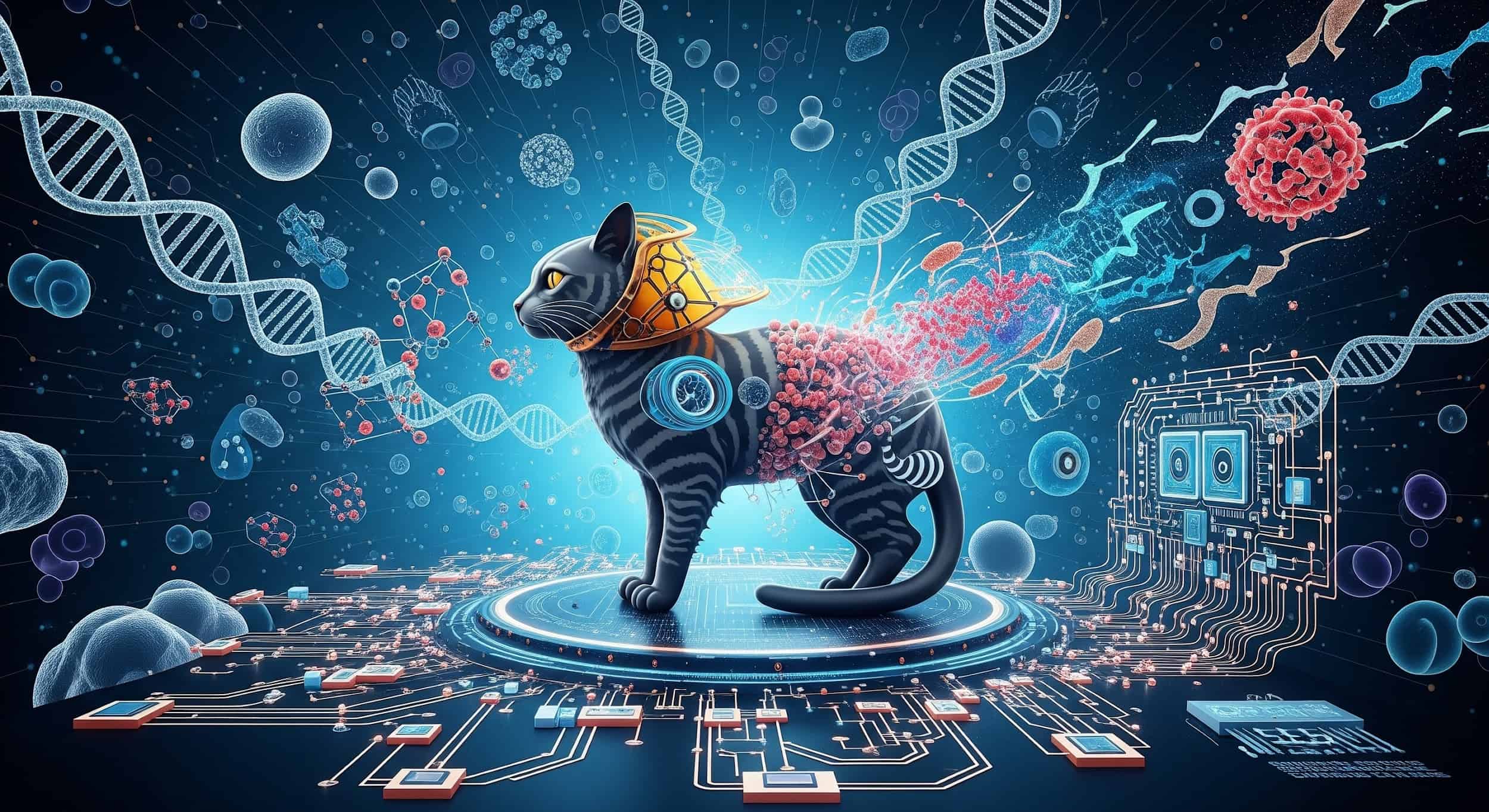
Generative AI—from molecule design to clinical trial prediction—is reshaping life sciences. Here we explore how platforms like AlphaFold have fast-tracked drug discovery and even contributed to Nobel-winning work, spotlighting the critical roles of unified data systems, scalable architectures, and AI pipelines in accelerating breakthro

Quantum computing holds immense promise for life sciences, from speeding up complex simulations to modeling molecular interactions. Here we examine its transformative potential alongside serious hurdles—hardware stability, algorithmic maturity, and talent shortages—asking whether quantum is ready for prime time or still half‑formed.

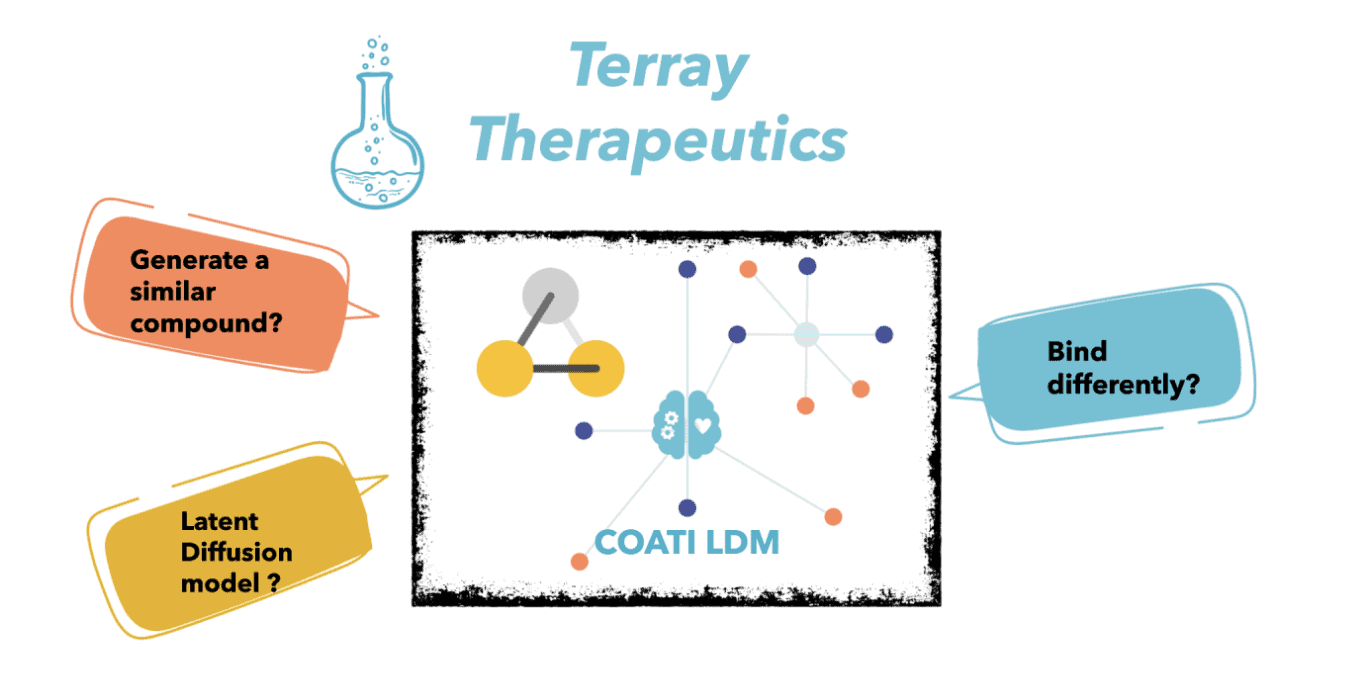
In this blog I partner with Terray Therapeutics to illustrate how they are harnessing cutting‑edge diffusion-based generative AI to revolutionize drug discovery. From molecule design to real-time querying with Vespa.ai, the post explores practical challenges, AI adoption in life sciences, and how advanced platforms accelerate R&D impact

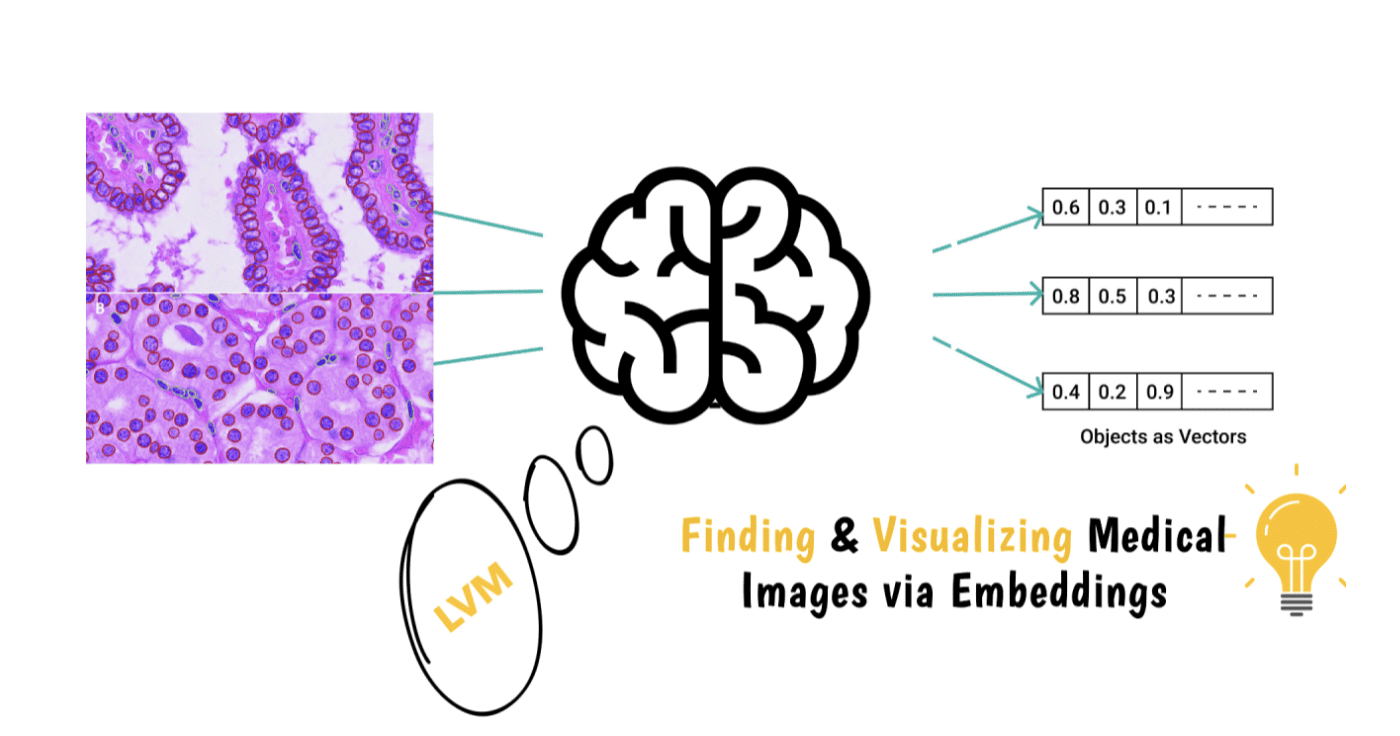
Blog highlights LandingAI’s large vision models and their transformative role in life sciences R&D—bridging imaging, AI, and research. Discover how visual embeddings are accelerating processes from phenotypic screening to diagnostic insights, offering a new frontier in multimodal scientific discover

Blog argues for smarter search engines in life sciences—beyond simple RAG/chatbots. She explains how tensor-powered systems deliver precision by blending semantic relevance, trial metadata, and real-world context to support critical scientific decisions.

Dive into how generative AI is enhancing life sciences: cutting costs, boosting product quality, and accelerating time-to-market. Snowflake outlines how large-scale data analysis and AI pipelines streamline R&D, manufacturing, and regulatory workflows for optimized scientific impact

This point of view explores how integrating AI into R&D enhances predictive modeling, simulation, and analytics. However underlying all of this needs to be a robust data strategy uniting governance and secure collaboration that empowers faster target identification, efficient trial design, and cost-effective drug development.

What is a data clean room? Dive into how data clean rooms enable secure, privacy-first collaboration in life sciences. These environments support federated research across organizations while preserving patient confidentiality via encryption, policy controls, and privacy-enhancing technologies. Read to learn more on how this comes to life.

In life sciences FAIR (Findable, Accessible, Interoperable, Reusable) data principles empower precision medicine. By implementing scalable metadata and flexible data models, organizations can unlock richer, secure biomedical insights while balancing usability and governance across diverse research teams. This is a POV for enabling FAIR on Snowflake